| Date | February 11th, 2026 |
| Venue | Visit to PCB Factory, PHCET |
| Resource Person | Ms. Snehal Patil |
| Faculty Coordinator | Dr. Mansi Subhedar, Mrs. Trupti Patil |
| Department | Electronics and Computer Science |
| Event Objective: | To provide students with practical exposure to industrial PCB manufacturing processes and bridge the gap between theoretical electronics knowledge and real-world production practices. To enhance students’ technical awareness, industry readiness, and understanding of modern PCB production technologies. |
| Event Outcome: | Students gained practical understanding of PCB manufacturing processes, industrial workflow, and quality assurance practices used in electronics production. Students developed awareness of industrial safety standards, machine operations, and professional work culture in a manufacturing environment. Students acquired real-world exposure to PCB production and strengthened their practical understanding of electronics manufacturing. |
An industrial visit for S.E. (Semester IV) Electronics & Computer Science students was organized by the Department of Electronics & Computer Science Engineering on 11th February 2026 at the PCB Factory of PHCET. The objective of the visit was to provide students with practical exposure to PCB manufacturing and to bridge the gap between theoretical learning and industrial practices.
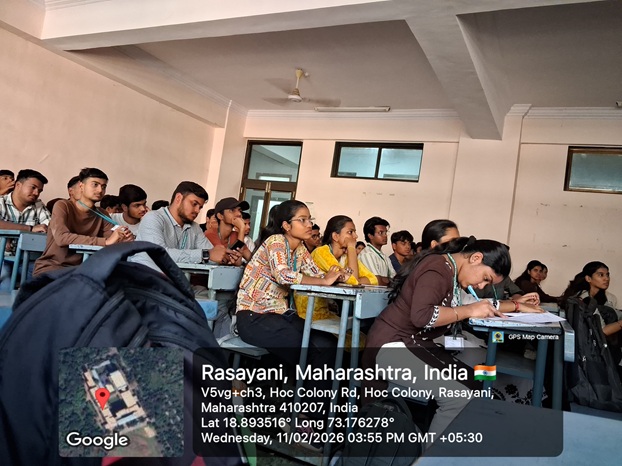
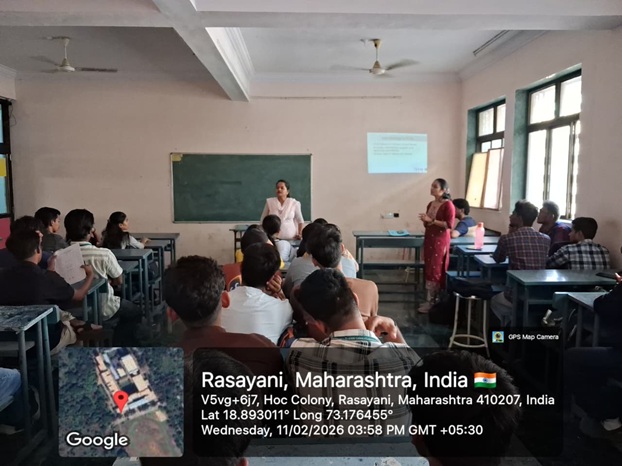
The visit began with a detailed PowerPoint presentation explaining the complete PCB manufacturing process. Students were introduced to each stage of production, including design, fabrication, and finishing techniques. Additionally, the process of making PCBs at home was discussed in detail, helping students understand low-cost prototyping methods and practical implementation.
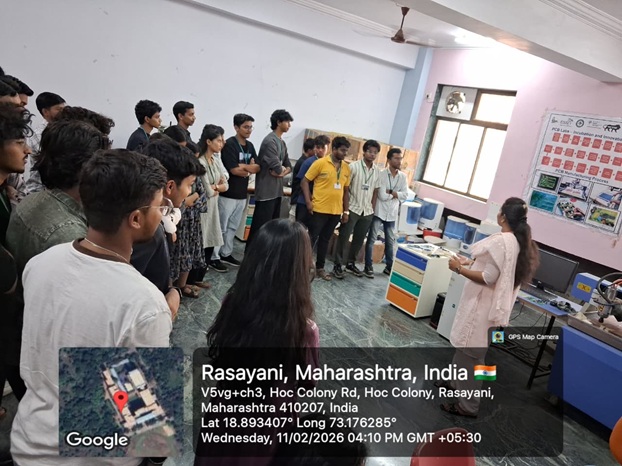
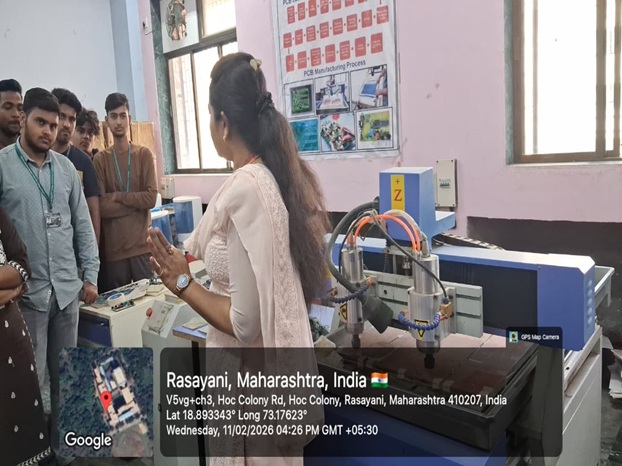
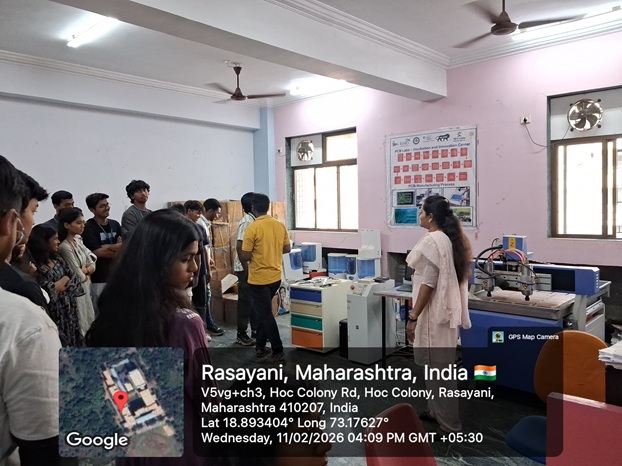
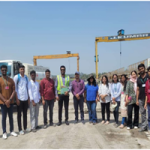
Following the presentation, students were guided through different sections of the PCB factory. This walkthrough allowed them to observe real-time operations and understand industrial workflow. Ms. Snehal Patil, the In-charge of the factory, explained the working of major machines used in mass PCB production and demonstrated their applications in large-scale manufacturing. Her guidance enabled students to connect theoretical knowledge with industrial equipment and processes.
The visit proved to be highly informative and interactive. Students acquired real-world exposure to PCB production and strengthened their practical understanding of electronics manufacturing. The experience enhanced their technical awareness and provided insights into industrial standards, safety practices, and professional work culture.
Overall, the industrial visit was successful in achieving its educational objectives and contributed significantly to the students’ experiential learning.